GVA → Switzerland · Ski resorts in Switzerland
St. Moritz
In shortSt. Moritz is about 475 km from Geneva Airport; a private chauffeur drives you there in around 5 hours, with breaks whenever you need them, to your hotel door.
 GVA → St. Moritz
Ski resort · Switzerland
St. Moritz
Reaching the Upper Engadine from Geneva by rail means crossing the whole country with several changes. A private chauffeur turns it into one continuous journey: you are met in arrivals, your bags stay in the car, and you stop only when you want to, which is why families, groups and guests with heavy luggage often prefer this route by road.
Price for this trip
| Vehicle | Passengers | CHF |
|---|
per vehicle, one way
The drive to St. Moritz
This is one of the longest Geneva airport private transfers we drive: about 475 km and roughly 5 hours. The route crosses Switzerland from west to east, passing the Zurich area and Chur before climbing into the Engadine.
On a journey of this length, comfort and rhythm matter. Your chauffeur can plan one or more breaks along the way, for example near Zurich or at Chur, so you arrive in St. Moritz rested rather than exhausted.
Included in every booking
There are no extras to add at checkout: the amount displayed is per vehicle, not per seat, and it is final.
- A chauffeur waiting for you after customs, holding a name sign
- Flight monitoring from take-off, plus free waiting if your plane runs late
- A direct ride with suitcases, skis and winter gear, ending at your hotel in St. Moritz
- Round-the-clock support on +41 78 871 71 33, by call or WhatsApp
Vehicles for this route
For five hours on the road, the S-Class is a popular choice for a Geneva airport VIP transfer, and the V-Class gives groups room to stretch out. The E-Class is a comfortable choice for one or two travellers with standard bags. The S-Class adds space and quiet for executives or anyone wanting a Geneva luxury transfer service. The V-Class takes families and small groups with bulky luggage, and a Sprinter can be arranged on request for larger parties.
Reserve your car
Select Geneva Airport as pick-up and St. Moritz as destination, add your flight details and pick the car that fits your party. You pay the displayed fixed fare by card, Apple Pay or Google Pay. Book at least 12 hours before travel; anything more specific can be arranged by phone or WhatsApp on +41 78 871 71 33.
The route to St. Moritz: west to east across Switzerland
The drive starts on the motorway from Geneva Airport towards Lausanne and then follows the Swiss motorway network north and east. The route passes through the Bernese plateau and the Zurich area before heading toward Chur, the canton's capital in the Grisons, where the road changes character and begins to climb. From Chur the road runs up the Domleschg and the Heinzenberg into the mountains, and the final stretch reaches the Engadine by way of a high pass and a long descent to the lake villages.
Your chauffeur confirms the exact route on the day, because the right option depends on the season, the state of the passes and any roadworks that are scheduled. The total distance stays close to 475 km, and the journey is one continuous drive from the arrivals hall, with no change of platform, no waiting for a second train and no stop in an unfamiliar station. Bags go into the car at the airport and come out at your hotel.
- Motorway from Geneva Airport towards Lausanne and Bern
- Motorway through the Zurich area towards eastern Switzerland
- Approach to Chur and the Grisons valleys
- Mountain road into the Upper Engadine, with the final kilometres along the lakes
A route of this length crosses several language and landscape zones: French-speaking Vaud, German-speaking central and eastern Switzerland, and finally the Romansh-speaking Engadine. The change in scenery is gradual, and the passenger usually notices the lakes, the forests and the mountain light more and more as the afternoon goes on.
Light and scenery of the Engadine
The Engadine has a light that many visitors find unforgettable. The air is clear at altitude, the mountains stand sharply against the sky, and the lakes reflect the peaks in changing colours through the day. Early in the morning the valley is often quiet and the snow glows pink in the first sun; in the late afternoon the lower villages fall into shadow while the higher slopes keep the light. These effects make the final stretch of the drive one of the most memorable parts of the journey.
A window seat gives a clear view of the lakes and the forests, and it is worth keeping the sun's glare in mind at midday. Your chauffeur can point out the lakes and villages along the way when you ask.
Travel time through the seasons
The figure of about 300 minutes, or five hours, is a planning estimate for average conditions on a clear day with light traffic. Because the route is long, the season and the day of the week make a real difference, so it helps to think in ranges rather than a single time.
- Spring and autumn, weekdays: around five hours, with few delays on the main motorways.
- Summer weekends and holiday periods: plan for five hours and 20 minutes to five and a half hours, since the approach to the mountains becomes busy with holidaymakers.
- Winter weekends and the main ski holidays: plan for five and a half to six hours, especially on Saturday mornings and Sunday evenings when traffic toward the resorts is heavy.
- Snowfall or icy weather on the mountain sections: allow an additional hour or more, because the speed must match the road.
Departing early in the morning tends to give the smoothest run, particularly on motorway sections near Zurich. Plan the timing so that you arrive at the hotel in daylight if you prefer, because the final approach to the Engadine is more relaxed when you can see the lakes and the mountains clearly.
If your schedule is fixed, for example for a dinner or a check-in time, count backwards from the arrival slot and add a generous margin. Five hours is a long stretch, and it is far better to arrive early and rest than to arrive late and rushed.
Breaks on a long drive
On a journey of this length the stops matter as much as the miles. Your chauffeur can plan one or more breaks at a suitable point, such as a town where you can stretch your legs, take a coffee or have a simple lunch. The choice depends on your preferences, the time of day and the traffic on the road, and it can be agreed before departure or on the way.
Children, older passengers and travellers with medical needs often benefit from more frequent pauses. Mention these needs in the booking notes so that the chauffeur knows the pace to set. Pauses also give the driver a chance to check the weather and the road ahead, which is useful before the mountain section.
- Tell us the number of breaks you would like, and roughly when.
- Mention any medical needs or requirements in the booking notes.
- Agree on a short stop at the start for food or water if you travel early.
- Ask for an extra break on the mountain sections if you feel unwell in cars.
Winter driving and the mountain passes
The route into the Engadine can involve high mountain passes, and in winter these need particular attention. Roads over passes are cleared and treated, but snowfall, wind and ice can slow traffic or close a road for a time. A signposted diversion is used when a pass is closed, which adds distance and time. The guidance below is general and does not replace the judgement of your chauffeur, who adapts the route and speed on the day.
- Swiss rules require suitable winter tyres when conditions are wintry.
- Snow chains may be required on certain sections, and signs indicate when they are compulsory.
- When a pass is closed, the route is changed, and the journey time increases.
- Wind can make exposed sections more demanding, particularly for larger vehicles.
Our vehicles are chosen for comfort on long journeys, and your chauffeur drives at a steady pace suited to the mountain bends. If conditions become difficult, the team will update you about the expected arrival time, and the booking notes help the team reach you quickly if plans need to change on the road.
In summer the passes are generally open and the drive is more relaxed, although the roads can still be busy with visitors and walkers. Each season offers a different atmosphere on this route, from snowy forests to alpine meadows in bloom.
Winter events in St. Moritz
St. Moritz has a long association with winter sport, and its events are part of the reason many visitors come. Dates change from year to year and depend heavily on the snow and ice conditions, so please check the current programme with the resort or the event organiser before fixing your travel dates. The examples below are general and not a fixed calendar.
- Snow polo on the frozen surface of Lake St. Moritz, usually held in the core winter months.
- Horse racing on the frozen lake, a long-standing winter spectacle that draws crowds to the shore.
- The Cresta Run, a natural ice toboggan run in the village, known for its tradition and its skill.
- The Engadin Skimarathon, a long cross-country race across the lakes, usually held in the spring.
Event weekends bring extra traffic into the village and busier restaurants. When you plan to attend a race or a match, arrive at your hotel early and allow time for parking. A chauffeur who knows the timing of your event can suggest the calmest approach and the most convenient drop-off point.
Summer in the Upper Engadine
In summer the Upper Engadine changes its mood. The lakes are open for swimming and boating, the valley fills with hikers and cyclists, and the alpine meadows are full of flowers. Villages around St. Moritz offer walking routes at every level, from gentle lakeside paths to higher mountain trails reached by cable car. Visitors who come for the summer often plan their stay around the lakes and mountains rather than the slopes.
A summer transfer is usually easier than a winter one, although weekends and holiday periods are busy. Travellers with bicycles, hiking equipment or spare clothing should mention the extra items in the booking notes so the luggage can be planned in advance.
Getting to know St. Moritz
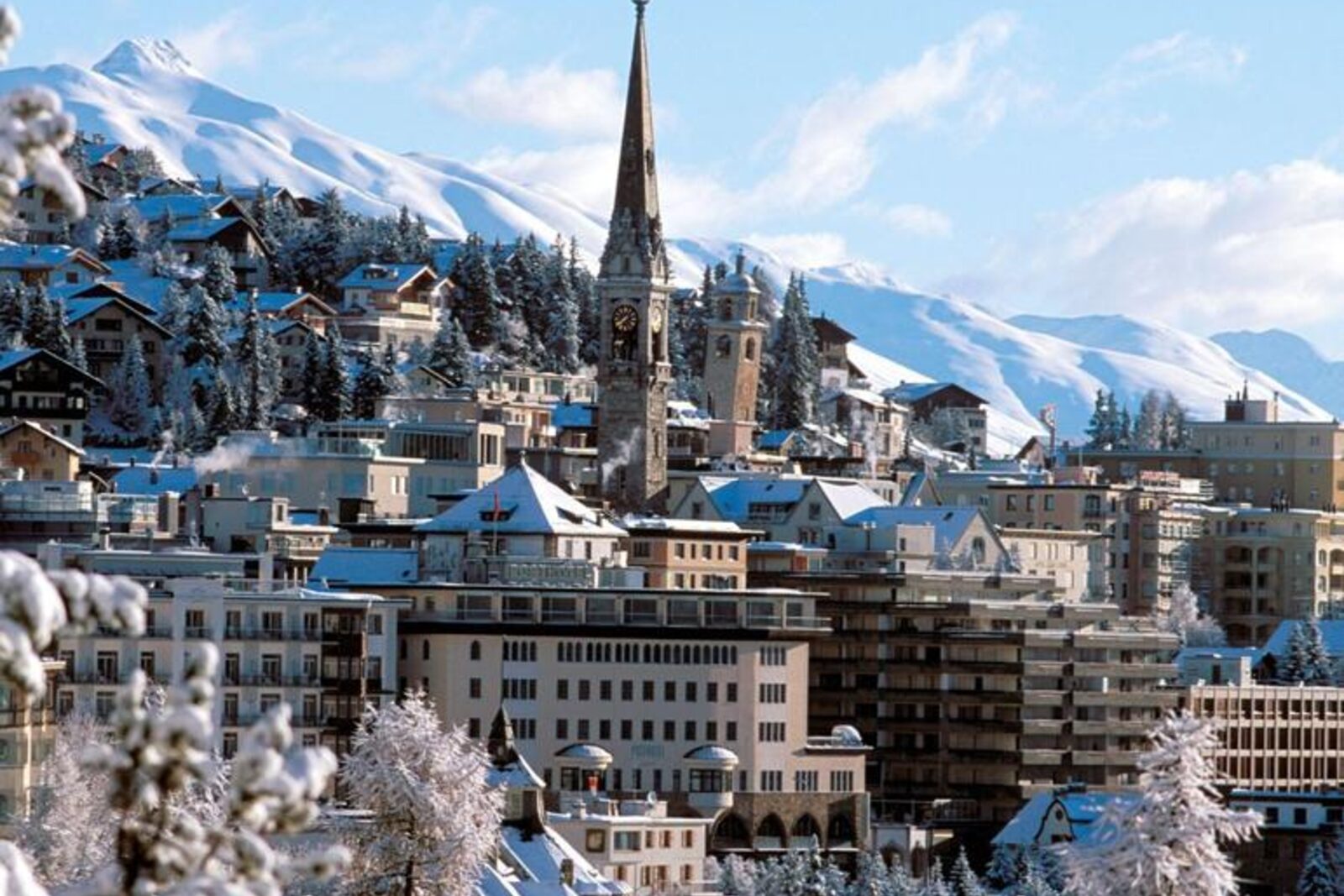
St. Moritz sits at about 1,800 metres above sea level, on a high plateau that is famous for its clear air and its sunshine. The village is set beside two lakes, and in winter the larger lake freezes and becomes a stage for events. Its grand hotels, lakeside promenades and shops give it a cosmopolitan character, while the surrounding villages keep a more traditional alpine feel.
The Upper Engadine is also a region of Romansh culture, and you will see the language on signs and in local life. The railway network serves the valley, and the Bernina Express, which runs between the Grisons and Tirano in Italy, is one of the better-known scenic lines. Nearby villages such as Sils, Silvaplana and Pontresina are a short drive away and offer their own restaurants and views.
Mountain access from the village includes several ski and cable car areas, such as Corviglia, Corvatsch and Diavolezza, which are used by skiers and walkers in their seasons. The surrounding peaks give the valley its strong character, and many visitors come back year after year for the same views.
Arriving at a hotel in the village centre
The centre of St. Moritz is compact, with pedestrian streets, shops and hotels set close together. Many hotels sit on narrow roads or in zones with restricted access, so the drop-off point may be a short walk from the entrance. Please give the hotel's exact address, including any entrance instructions, in the booking. The chauffeur can then choose the closest suitable stopping place and help carry bags to the door.
If you arrive during a festival weekend or a busy event, traffic in the village can slow the final approach. Allowing a few extra minutes at the end of the journey keeps the arrival calm.
Altitude, rest and hydration
St. Moritz lies at a high altitude, and visitors arriving from low-lying cities sometimes feel tired or short of breath during the first day. Drinking water regularly, taking it easy on the first evening and avoiding heavy alcohol are common-sense steps. Travellers with heart or lung conditions should consult a doctor before the visit. On a long transfer, a short walk at a break and a light meal help the body settle before the arrival.
The drive itself is comfortable and steady, but the body also has to adjust to the change in altitude. Planning a relaxed first afternoon at the hotel is a practical way to start the stay.
Language and communication in the Engadine
Visitors to the Engadine hear German, Romansh and, in hotels and shops, a good deal of English. Chauffeurs and hotel staff are used to guests from many countries, and the booking notes can be written in English so that instructions are clear. If you prefer a different language for the journey, mention it in the booking so the team can respond accordingly.
Your transfer step by step
A long transfer benefits from a clear plan. The steps below run from the moment you book to the arrival at your hotel, so you can prepare each stage and know what to expect.
- Book online: choose the vehicle, enter the pick-up and drop-off details and pay. The confirmation arrives by e-mail immediately.
- Share your flight: add the flight number so the team can track the arrival and adjust the meeting time if the flight changes.
- Meet and greet: your chauffeur waits in the arrivals area holding a sign with your name and guides you to the car.
- Luggage: the chauffeur loads your bags, and the luggage capacity of each vehicle is shown before booking.
- The long drive: you travel directly to the Engadine, with breaks agreed in advance, and fuel, tolls and luggage are included in the fixed price.
- Hotel arrival: the car stops at the hotel entrance, and the chauffeur helps unload the bags.
Waiting time after landing is included, so you can take your time at passport control or at the luggage carousel. If your hotel requires a specific entrance or a late check-in, add the details to the booking notes so the arrival runs smoothly.
Booking, payment and confirmation
Bookings can be made online, and each one receives an instant confirmation by e-mail with the details of your vehicle and journey. Online bookings are accepted up to 12 hours before pick-up. For anything closer to the time of travel, call or send a WhatsApp message to +41 78 871 71 33. The service operates 24 hours a day, every day, so early-morning and late-evening transfers are handled in the same way.
You can pay online by card, Apple Pay or Google Pay. The price shown before booking is fixed per vehicle, and tolls, fuel and luggage are included. Waiting time after landing is included too, which matters on a long day when plans can shift. Keep your confirmation e-mail on your phone, because it carries the booking reference the team uses to locate your arrangement quickly.
St. Moritz: questions and answers
How long does it take to drive from Geneva Airport to St. Moritz?
What happens if my flight to Geneva is delayed?
Can we stop during the transfer?
Is the price per person or per vehicle?
Which mountain pass does the route use in winter?
Can an overnight stop be arranged on the way?
Which vehicle suits three skiers with equipment and two suitcases?
Is there a reduction on the return from St. Moritz?
How early should I leave for a morning flight from Geneva?
Can a private aircraft be met at Samedan?
What should I prepare before booking a long-distance transfer?
How does the journey change on a Swiss public holiday weekend?
More trips and contact8
Can my company receive an invoice for a transfer to St. Moritz?
Can you pick me up at Geneva Cornavin station for a transfer to St. Moritz?
How do I change the pickup time of my transfer to St. Moritz?
Is the transfer to St. Moritz suitable for people with reduced mobility?
Can I add an extra pickup address on the way to St. Moritz?
Do you offer transfers to St. Moritz all year round?
How do I book my transfer to St. Moritz?
Which vehicles are available for St. Moritz?
Services for this route
All services →

Geneva Airport Private Transfer
A door-to-door Geneva airport private transfer in a chauffeur-driven Mercedes, at a fixed fare per vehicle.


VIP and Luxury Chauffeur
A personal chauffeur and private Mercedes in Geneva for high-net-worth clients, family offices, assistants, concierges and luxury hotels.


Geneva Airport Private Ski Transfer
A Geneva airport private ski transfer to your chalet or hotel in the Swiss, French or Italian Alps, with space for your equipment.


Group Transfers by Minibus
A Geneva airport private transfer for groups: Mercedes Sprinter minibus or V-Class vans for teams, families and ski clubs.